Personal Finance Resources
Your Financial Wellbeing
A good job means more than a paycheque. We want everyone on our team to feel financially confident and secure, so we've put together this page to point you toward some of the best free resources available to Canadians.
This page is for information only and is not financial advice. For your personal situation, please speak with a qualified financial professional.
We're not personal finance experts, but we believe in you taking charge of your financial future, and we're here to help you get started.
Resources on this Page
Canadian Accounts Explained
Useful Tools
Getting Help
Online Courses
Podcasts
Books
Employee Resources
Canadian Accounts Explained
Understanding the accounts available to you is one of the most important steps toward building financial security. Here's a plain-language overview of the key ones — including two that make up our retirement plan.
-
Employees can contribute to an RRSP managed through Common Wealth Retirement.
An RRSP is a personal retirement savings account that gives you a tax deduction on every dollar you contribute. Your money grows tax-free inside the account, and you only pay tax when you withdraw it — typically in retirement when your income (and tax rate) is lower. Through Bosiak Construction, you have access to an RRSP managed by Common Wealth Retirement. If you haven't set one up yet, it's worth exploring — even small regular contributions add up significantly over time thanks to compound growth. Contribution room is based on your income and carries forward if unused.
-
Bosiak Construction contributes 4% of your earnings to your DPSP.
A DPSP is a company-sponsored savings plan where your employer shares a portion of profits with you as a retirement benefit. The company contributes 4% of your earnings directly into your DPSP — that's money added to your future on top of your wages, at no cost to you. The funds grow tax-sheltered until you withdraw them in retirement. If you haven't looked at your DPSP balance lately, it's worth checking in. Please note there is a two-year vesting period for the DPSP.
-
A TFSA is one of the most flexible savings tools available to Canadians. Unlike an RRSP, contributions aren't tax-deductible — but any growth and withdrawals are completely tax-free, forever. You can use a TFSA for short-term goals like an emergency fund or a vacation, or for long-term investing. Every Canadian over 18 accumulates contribution room each year ($7,000 in 2024), and unused room carries forward. Withdrawals also add the room back the following year. A TFSA is not just a savings account — you can hold investments like ETFs and mutual funds inside one.
-
The FHSA is a newer account designed specifically to help Canadians save for their first home. It combines the best of both the RRSP and TFSA — contributions are tax-deductible like an RRSP, and withdrawals for a qualifying home purchase are tax-free like a TFSA. You can contribute up to $8,000 per year with a lifetime limit of $40,000. If you're hoping to buy your first home, this account is worth looking into as soon as possible since contribution room only starts accumulating once the account is opened.
-
If you have children, an RESP is one of the best tools available to save for their post-secondary education. Contributions grow tax-sheltered, and the federal government adds a Canada Education Savings Grant (CESG) of 20% on the first $2,500 contributed per year — that's up to $500 of free money annually, per child. Lower-income families may qualify for additional grants. The money can be used for college, university, trades programs, and apprenticeships.
Useful Tools

Financial Growth Calculator
Wonder what your RRSP contributions could be worth down the road? Enter your weekly contribution and an estimated annual return rate, and see how your investment could grow over up to 30 years.
The results might surprise you — small, consistent contributions made early can add up to far more than you'd expect. Try adjusting the numbers and see what an extra $25 or $50 a week could do for your future.
Try the Financial Growth Calculator
* For illustrative purposes only. Actual returns will vary.
Cash Flow Calculator
GetSmarterAboutMoney.ca Before you can save, you need to know where your money is actually going. This free tool from the Ontario Securities Commission lets you enter your monthly income and expenses to see whether you're coming out ahead — or falling behind. A great first step if you've never sat down to map out your cash flow before.
Vehicle Loan & Lease Calculator
We have also put together a simple vehicle loan and lease calculator. Try the Loan & Lease Calculator
Getting Help
Need Help? Free Credit Counselling Is Available
Financial stress happens — and there's no shame in asking for help. If you're dealing with debt, struggling to make ends meet, or just not sure where to start, free and confidential support is available to all Canadians.
-
Not sure which credit counselling agency to trust? Start here. Credit Counselling Canada is the national association of accredited non-profit credit counselling agencies Credit Counselling Canada, and their website lets you find a qualified, vetted counsellor in your area. All member agencies are held to strict standards of practice, which means you can reach out with confidence knowing you're dealing with a legitimate, non-profit organization — not a for-profit company looking to take advantage of a difficult situation.
-
A non-profit organization offering free, confidential counselling on debt, budgeting, and money management. They don't sell anything and they don't judge — they just help you figure out a path forward. Available by phone, online, or in person. nomoredebts.org
-
Credit Canada Canada's oldest non-profit credit counselling agency. Offers free counselling sessions, debt management programs, and practical tools to help you get back on track. creditcanada.com
-
The federal government's financial consumer watchdog offers free tools, resources, and guidance on managing debt and understanding your rights as a consumer. canada.ca/money
Online Courses


McGill Personal Finance Essentials https://mcgillpersonalfinance.com/
Developed by professors at McGill University's Desautels Faculty of Management, this is widely considered the best all-around free personal finance course available to Canadians. Eight self-paced modules cover budgeting, saving, debt, investing, retirement planning, real estate, compound interest, and behavioural finance. Each module includes a short quiz, and you'll receive a certificate of completion when you're done. Clear, unbiased, and genuinely useful at any stage of life.

Investing Academy GetSmarterAboutMoney.ca
Run by the Ontario Securities Commission (OSC), this is the go-to investing resource for Ontarians. The Investing Academy offers a series of free interactive courses — including Investing 101, Investing 102, Managing Your Money 101, and Planning for the Future — each taking about an hour to complete. The broader website also has articles, calculators, and tools covering everything from TFSAs to spotting investment fraud. Because it's run by Ontario's securities regulator, you can trust that what you're reading isn't trying to sell you anything.
Podcasts

Books

The Wealthy Barber — David Chilton
The original Canadian personal finance classic. Written by a guy from Waterloo, Ontario, it follows three friends getting straightforward money advice from their barber. Easy to read, no jargon, and the advice is as solid today as when it was first published. If you only ever read one money book, make it this one. Available at most public libraries.
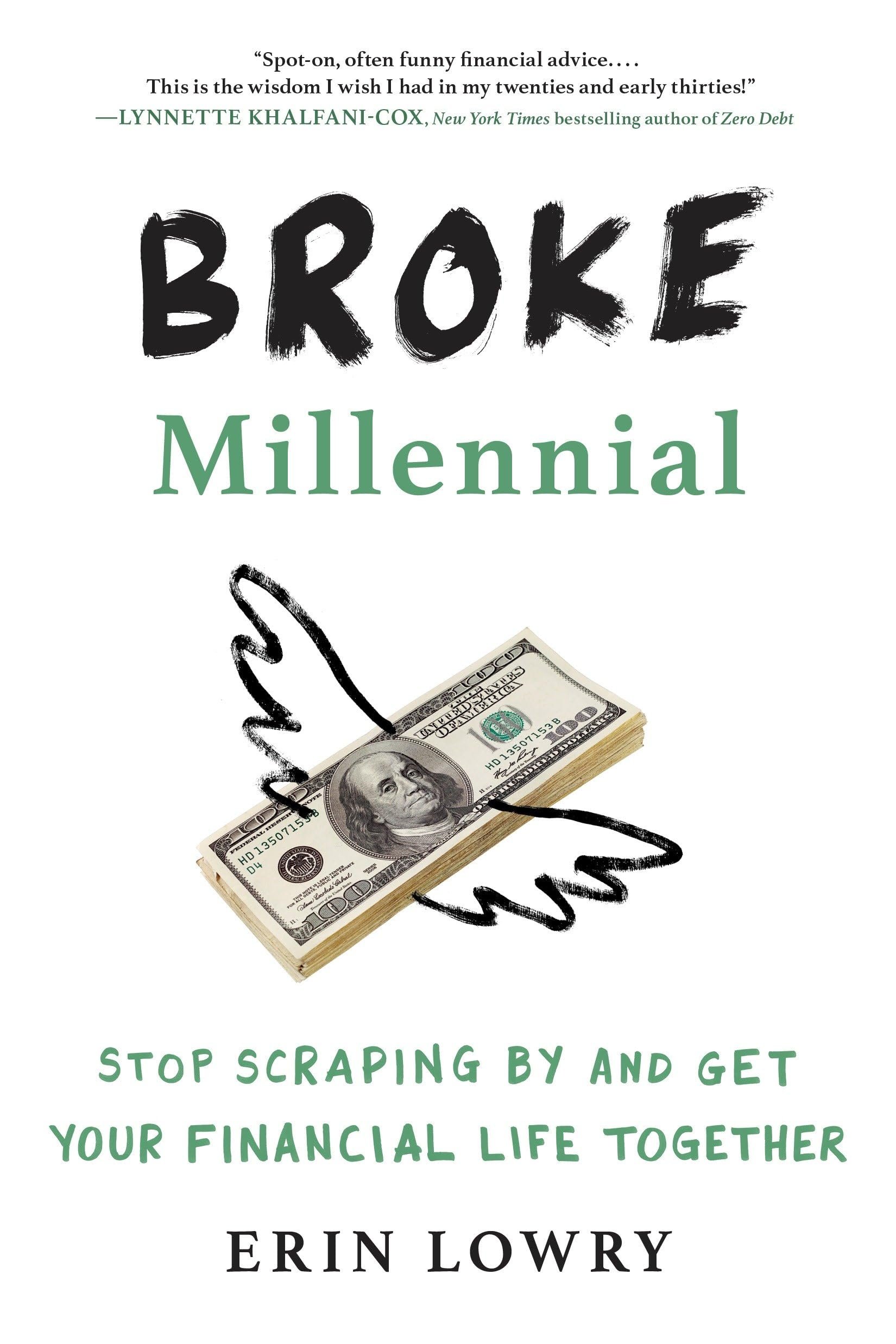
Broke Millennial — Erin Lowry
Written for people who are just starting to figure out their finances — especially useful if you're carrying student loans, living paycheque to paycheque, or just feel like you missed the memo on how money works. Practical, honest, and written in a voice that doesn't make you feel judged for where you're starting from.
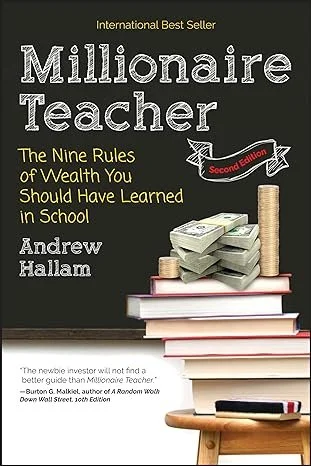
Millionaire Teacher — Andrew Hallam
A Canadian high school teacher who became a millionaire on a teacher's salary — and wrote a book explaining exactly how he did it. No lottery wins, no inheritance, no tricks. Just simple index investing done consistently over time. Eye-opening and practical, especially if you've ever wondered whether investing is really for "regular people." Spoiler: it is. Also available at most public libraries.
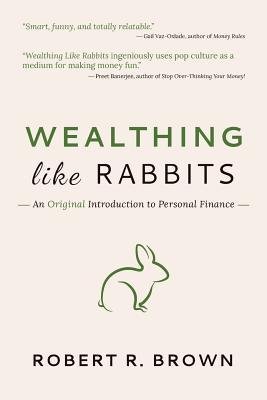
Wealthing Like Rabbits — Robert Brown
A fun, no-nonsense Canadian take on personal finance that doesn't take itself too seriously. Brown covers budgeting, debt, mortgages, and retirement savings in plain language with a sense of humour. A great read for anyone who finds money books boring or intimidating — this one doesn't feel like homework.